


Read our 2022 annual report
Concern's objectives, activities and achievements in 2022 can be found in our new annual report.
Read the report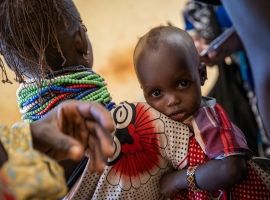
Knowledge Hub
Evidence-based learning, evaluations, research, guidance, manuals, tools and programme updates.
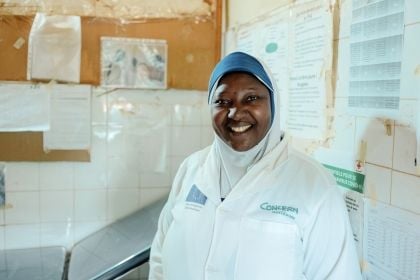
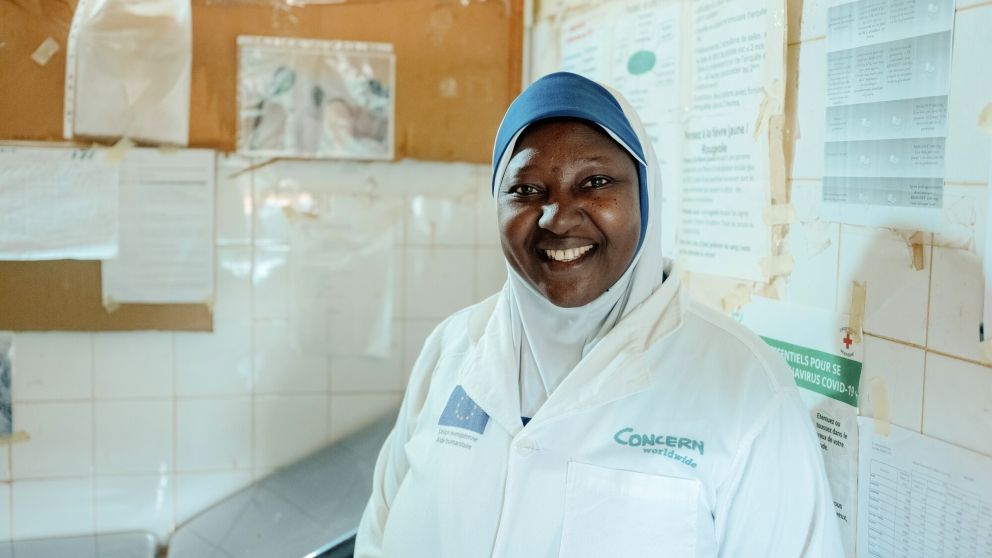
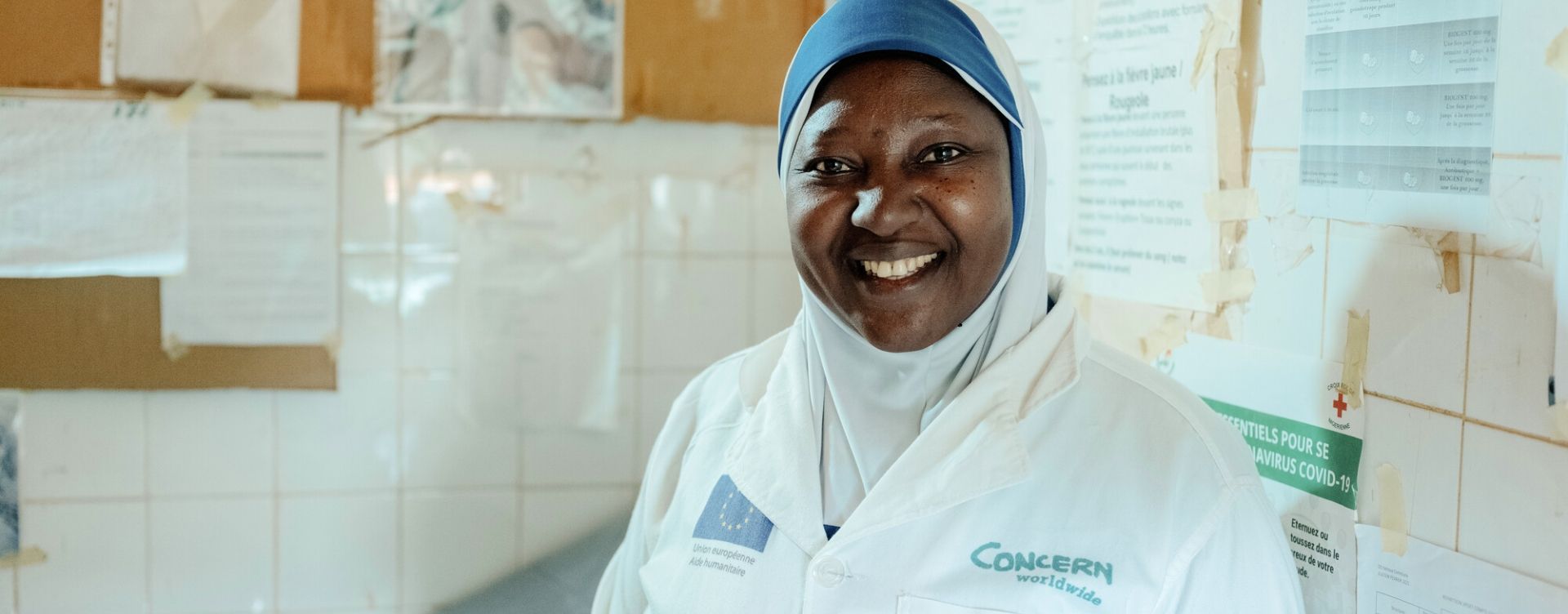
Health and Nutrition
Why health and nutrition? Our goal of ending extreme poverty can only be achieved by tackling poverty’s root causes – and top among them are poor public health and nutritional deficiencies.
For most of our more than 50 years in operation, we have been leading the way with sector-defining programmes that are changing people’s lives for the better. We work towards the survival and wellbeing of the world's most vulnerable communities, while ensuring they obtain the knowledge and resources to keep themselves and their families healthy and nourished.

"Concern is aware of the need to balance curative and preventative approaches to health. We are focusing on improving health through Primary Health Care in emergency, fragile and development contexts."

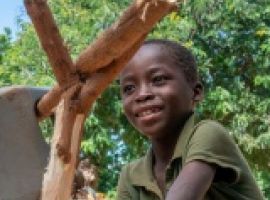
The borehole water system, powered by solar panels, was implemented by Concern Worldwide and sustains 460 households in Naoros village. Photo: Natalia Jidovanu/Concern Worldwide

Halimo Hassan (1) in a health centre in Filtu. Photo: Jennifer Nolan / Concern Worldwide.

A beneficiary has come to receive service at Baruikhali Community Clinic. Under the CRAAIN project, with its consortium NGOs, Concern Worldwide has rehabilitated the clinic to install Water, Sanitation, and Hygiene (WASH) facilities. The clinic has safe drinking water, a clean latrine, and handwash facilities. Photo: Mohammad Rakibul Hasan/Concern Worldwide

Dr Imtiaz is the in-charge of the Stabilization Centre,, Nayapara, Teknaf, Cox’s Bazar. Photo: Saikat Mojumder/Concern Worldwide

Jhumur Akter Moni (25) is receiving nutrition service from Shikha (right) for her daughter Tasmia (14 month). Photo: Emdadul Islam Bitu/Concern Worldwide
A closer look at health and nutrition programmes
Here are just some of the ways our health and nutrition programming is helping to change lives around the world.
CMAM
For 20 years now, our Community Management of Acute Malnutrition (CMAM) approach to tackling acute malnutrition has been extremely effective, so much so that it has become the preferred approach for tackling malnutrition internationally.
The central principle of CMAM is to treat malnourished children in their homes. As a result, it reaches more children and reduces the risks and expenses in travel for carers, malnourished children and their siblings.
Children who have been admitted to our programme are provided with weekly medical treatment and given one week's supply of therapeutic food. This micronutrient-enriched food is the key to success.
Now, the CMAM Surge approach is based on the observation that in many contexts, the number of children seeking treatment for acute malnutrition peaks during certain months of the year.
These seasonal ‘surges’ in demand are driven by many overlapping factors, including, for example, the pre-harvest hunger gap, increased incidence of malaria or diarrhoea during the rainy season, women’s workload patterns and movements associated with grazing livestock.
Maternal and newborn health
WASH
HIV treatment and prevention
Knowledge Hub resources on the theme of health and nutrition
Research and insights from our health and nutrition programmes in action around the world.


Related resources


Related reading


1/3

Other ways to help

Corporate support
Is your company interested in working together for a common cause?

Fundraise for Concern
From mountain trekking to marathon running, cake sales to table quizzes, there are lots of ways you can support our work.

Buy a gift
With an extensive range of alternative gifts, we have something to suit everybody.

Leave a gift in your will
Leave the world a better place with a life-changing legacy.

Volunteer with Concern
The lots of ways to get involved with our work as a volunteer

School fundraising
Without the generous support from schools, we wouldn't be able to do the work that we do.