


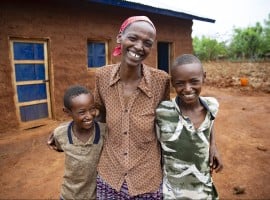
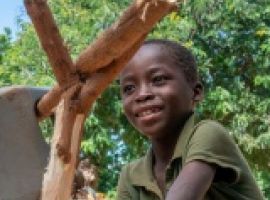
Read our 2022 annual report
Concern's objectives, activities and achievements in 2022 can be found in our new annual report.
Read the report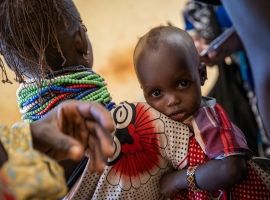

Knowledge Hub
Evidence-based learning, evaluations, research, guidance, manuals, tools and programme updates.
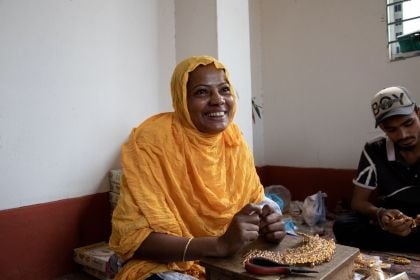
Livelihoods
Why livelihoods? Secure livelihoods offer the extreme poor a pathway to forge their way out of poverty. According to the most recent figures, almost 700 million people in the world live on less than $2.15 a day. That equates to over 8% of the world’s population living below the global poverty line.
We implement our livelihoods programmes in some of the poorest and most vulnerable places in the world. Extremely poor people in developing countries face many risks, a number of which are associated with climate change. An increase in the incidence and severity of climate-related disasters are negatively impacting on crop yields and the availability of food for subsistence farmers. At the same time, people are increasingly migrating to crowded urban areas in search of more secure livelihoods and are facing increased competition for income-earning opportunities.

Concern together with County Agriculture department and other stakeholders visited one of the block farms in Warperdit village and individual households who are currently harvesting sorghum. Photo: Rocky Roselle Emma/Concern Worldwide

Elizabeth Naiuro, a member of the Kangalita Irrigation Scheme group. She explained that irrigation from the canal has made their lives easier as they farm their land. Photo: Natalia Jidovanu/Concern Worldwide

Selina Bizimaki and husband Day Bangiles showing a bowl of sesame from their big sesame harvest, in Nenenji Village, Chikwawa District. Photo: Chris Gagnon/Concern Worldwide

Halima Begum is a housewife, who sews clothes for her family. Photo: Mohammad Rakibul Hasan/Concern Worldwide

Ferdous Biswas opened his own rickshaw garage in Dhaka. Photo: Emdadul Islam Bitu/Concern Worldwide
A closer look at our livelihood programmes
People living in extreme poverty struggle to earn enough to ensure that their families have enough to eat, get adequate health care and an education. Our livelihoods programmes aim to give them the tools to ensure they are able to earn a sustainable living, helping them to learn new skills, improve the productivity and nutritional value of their crops and set up small businesses to generate more income.
Climate-Smart Agriculture (CSA)
Climate change is now an accepted reality – the earth’s climate is warming. More frequent and longer-lasting periods of extreme temperatures are now a reality, as are more frequent and less predictable flood events and dry-spells.
The communities that we work with are on the front line of these climate effects. Whether it be the Sahelian zones of Chad and Niger, or the flood plains of Bangladesh, most rely heavily on farming, fishing and livestock-rearing for their livelihood and find themselves in an increasingly precarious position. For example, many of the farmers we work with must now plant their seeds two or three times in a year because rains fail during the early stages of crop growth and final yields are harshly compromised.
We're supporting communities to adopt Climate-Smart Agriculture (CSA) practices which adapt their farming systems to become more resilient to a less predictable climate. The practices we are promoting include the diversification of crop varieties, increasing access to improved farming skills and technologies, and strengthening links with the private sector to facilitate access to agricultural inputs from seeds, to new equipment such as solar water pumps.
Graduation programme





Knowledge Hub resources on the theme of livelihoods
Research and insights from our livelihoods programmes in action around the world.


Related reading


1/3

Other ways to help

Corporate support
Is your company interested in working together for a common cause?

Fundraise for Concern
From mountain trekking to marathon running, cake sales to table quizzes, there are lots of ways you can support our work.

Buy a gift
With an extensive range of alternative gifts, we have something to suit everybody.

Leave a gift in your will
Leave the world a better place with a life-changing legacy.

Volunteer with Concern
The lots of ways to get involved with our work as a volunteer

School fundraising
Without the generous support from schools, we wouldn't be able to do the work that we do.