30 years in Tanzania
Concern recently marked its 30th anniversary in Tanzania. I’ve just spent a week in Iringa, the first area Concern worked in the country, to see how things have changed in this time.
Before Concern arrived, some parts of Iringa had no trees at all. They were cut down to make room for collective farms in the 70s during the socialist era. People didn’t know they should also plant trees. By the early 80s, entire areas were deforested. Repeatedly, I hear the phrase “it was like a desert.”
No trees, no rain, no food
Without trees there was no rain. Without rain, crops wouldn’t grow. With the entire rural population dependent on farming, this led to extreme poverty. Children were visibly malnourished and unable to attend school. As Concern staff witnessed, it was a desperate situation.
Fruits and vegetables
Thanks to Concern, villagers received seedlings to plant, and gradually the land began to sprout back the forests. Concern encouraged people to plant fruit trees and establish a small vegetable garden next to each house. The result was a valuable and reliable source of healthy food which reduced labour for women.
Thirty years on
It’s raining and I run into a market. The stalls are piled high with colourful fruits and vegetables. It’s the start of the rainy season, yet I can find everything I want – papayas, pineapples, avocados, tomatoes, and mangos. I can’t imagine a time when these markets were barren besides bags of maize and cowpeas.
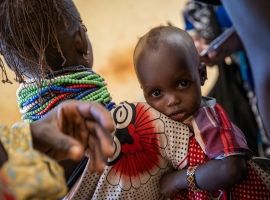
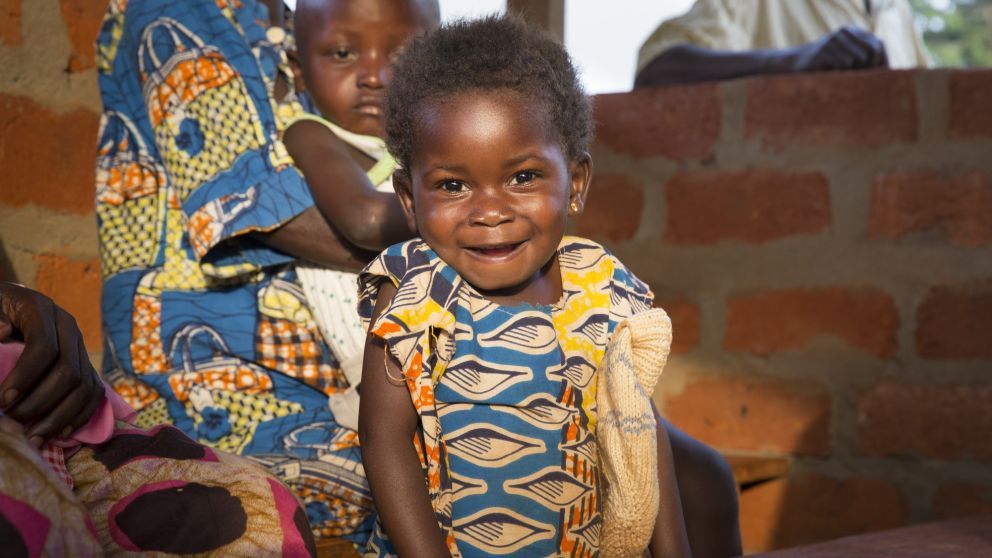
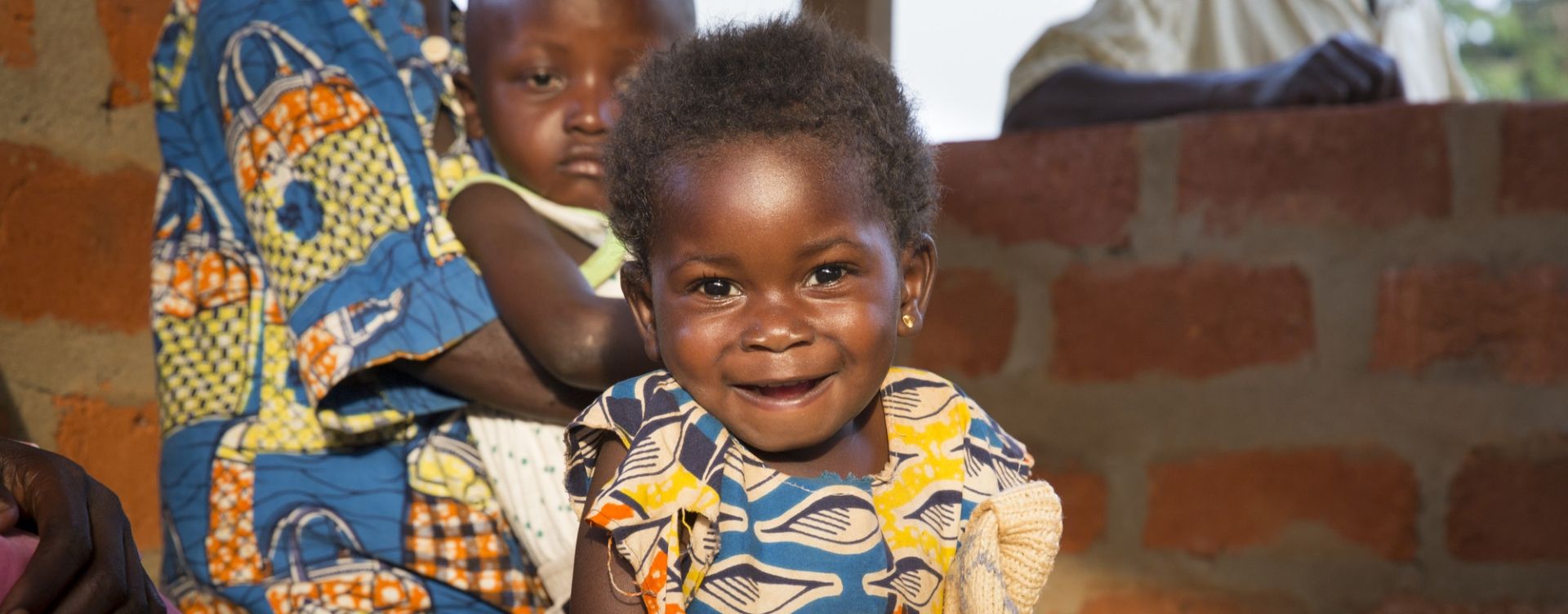
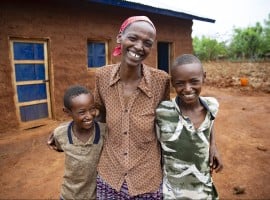
In the villages, I see children with healthy faces and school uniforms with few rips and tears. I see farms ploughed in neat rows with plants sprouting above the moist soil. Green vegetable gardens and a fruit tree grow next to every house. The rain is still unpredictable, but it comes more than before. “Some people struggle still, but we no longer talk about poverty in this village,” one local Catholic sister told me.
Concern is one of few NGOs that can honestly say it works with the very poorest people. In Tanzania we have learnt a lot about development since the old days, but it’s still easy to see the benefit of the first projects. They paved the way for future work, work which I’m proud to be a part of.
Related links
Our bloggers
Blog archive
- March 2010 (3)
- February 2010 (2)
- January 2010 (2)
- December 2009 (8)
- November 2009 (7)
- October 2009 (7)
- September 2009 (8)
- August 2009 (8)
- July 2009 (4)
- June 2009 (3)


Comments
I lived in Iringa with Concern from 1989-1994. It's great to read how the trees have kept growing and how reafforestation has been so successful there. I was the health coordinator then and not directly involved in project work but I was interested in all the projects in the programme there. As well as deforestation in the 70s there was massive deforestation in the post-war (WW2) years in the colonial era when lots of Greeks farmed tobacco and maize in huge farms in Ismani particularly, north of Iringa. So that all contributed to the lack of trees. I remember forestry being a major focus back in our day there. Nice to see the blog with different posts on Tanzania - just came across it today. Thanks for sharing it!
hijust wandering what drinking water situation was like in iringa and surrounds when concern first began in iringa, it was never good in my time and would be interested to know how the situation is now in terms of quality and distribution.b oreganconcerniringa - malangali 1990-1994
Thanks for the article. I also worked with Concern in Iringa from 1995-1997. Underlying Concern's success in Iringa region were undoudbtedly the excellent partnerships it built with local government officers and communities, who helped to genuinely "sustain" many of the benefits of the programmes. Concern's hard working, low profile approach in these development settings is what makes it stand out.
Post new comment