


Read our 2024 annual report

Knowledge Hub
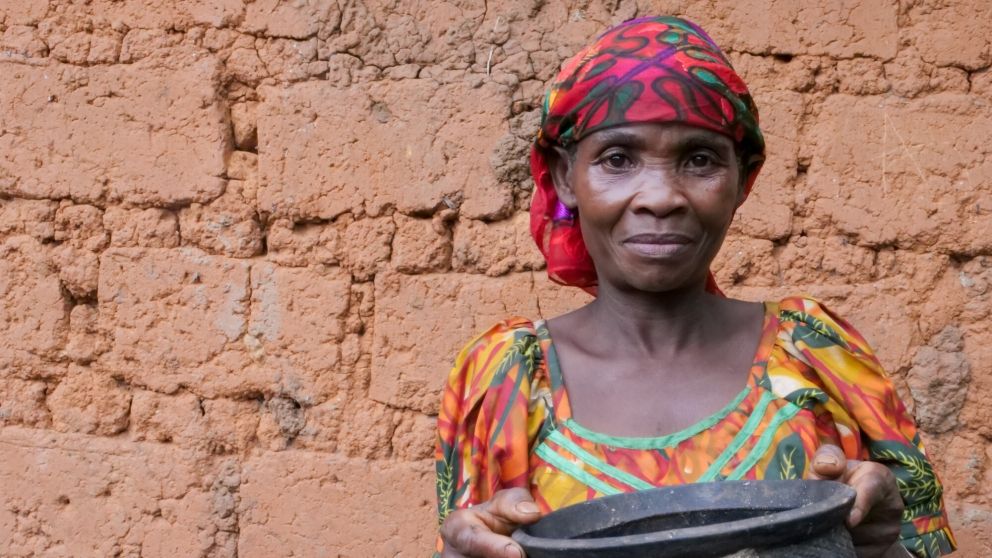
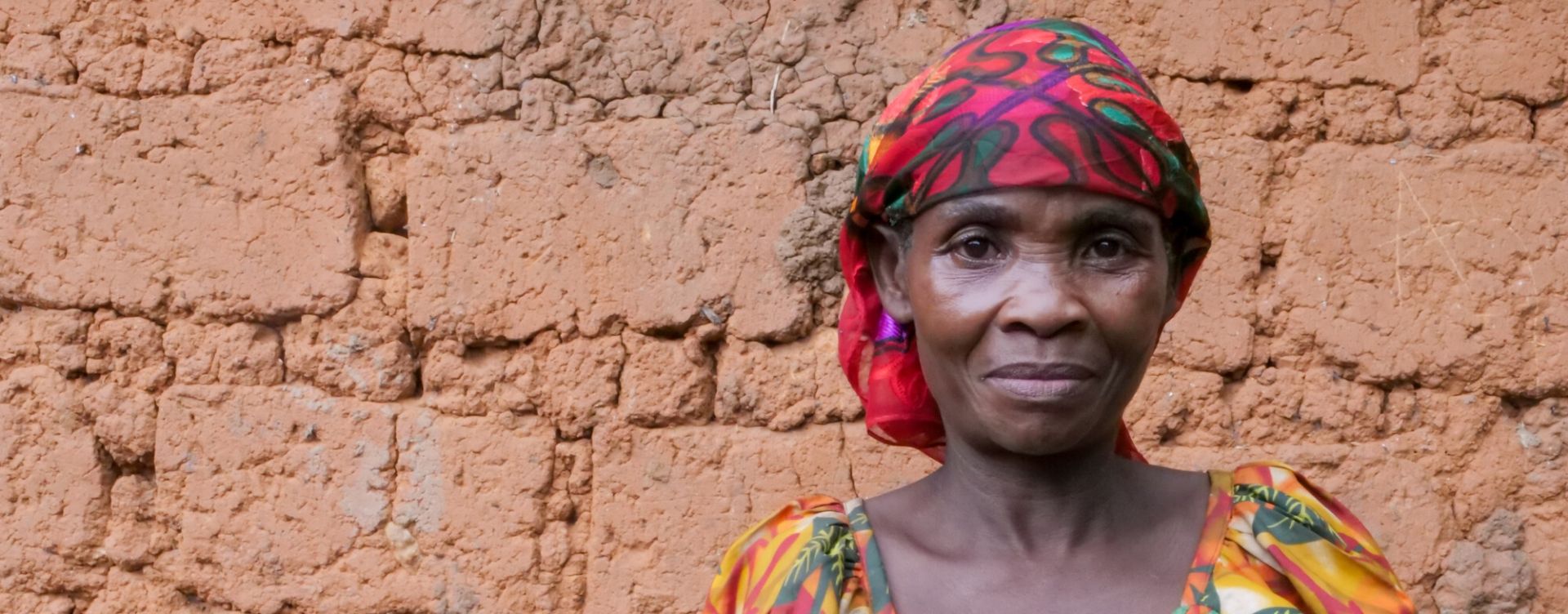
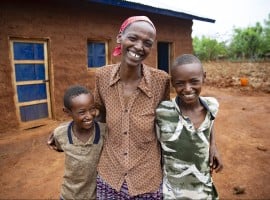
Why are we in Burundi? With high levels of poverty, malnutrition, and climate-driven disasters, Burundi is one of the poorest countries in the world. Concern Worldwide has been operational in Burundi since 1997 and currently implements programmes focusing on health, nutrition, livelihoods, and social protection.
Nearly three out of four Burundians are living in poverty
Burundi is ranked 187th out of 193 countries on the 2024 Human Development Index. The maternal mortality rate in Burundi is amongst the worst in the world, with nearly 500 deaths per 100,000 live births. A food crisis sees 15% of the country facing acute food insecurity and the world’s highest rate of childhood malnutrition.
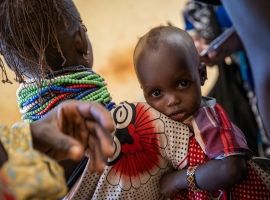
Our work in Burundi focuses on livelihoods, climate response, and health and nutrition. We work with Burundi’s overwhelmingly young population to ensure that young Burundians have the tools and support to launch successful careers and build sustainable livelihoods and community networks, and are currently working with the World Food Programme and UNICEF on a nutrition intervention specifically geared towards families excluded from the healthcare system.
Latest achievements

Young entrepreneurs
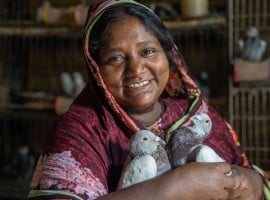
Concern recently completed a three-year project that worked with 1,500 young Burundians to build their livelihoods and strengthen community solidarity. By the end of the programme, we had supported the establishment of 313 new businesses.

Green Graduation

Local partners


How we're helping in Burundi
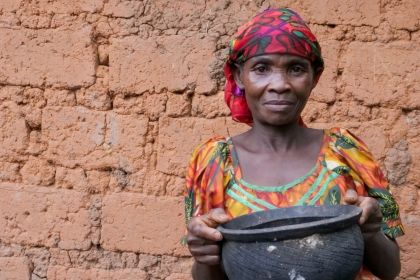
We are working hard to combat extreme poverty and build resilience in Burundi through our livelihoods, health and nutrition, and social protection programmes.
Latest from Burundi








Other ways to help

Corporate support
Is your company interested in working together for a common cause?

Fundraise for Concern
From mountain trekking to marathon running, cake sales to table quizzes, there are lots of ways you can support our work.

Buy a gift
With an extensive range of alternative gifts, we have something to suit everybody.

Leave a gift in your will
Leave the world a better place with a life-changing legacy.

Volunteer with Concern
The lots of ways to get involved with our work as a volunteer

School fundraising
Without the generous support from schools, we wouldn't be able to do the work that we do.