


Read our 2025 annual report

Knowledge Hub
Hunger and malnutrition rates soar in drought-stricken Somalia

Somalia is facing a rapidly deteriorating humanitarian emergency. A devastating drought, conflict, displacement, and soaring food and fuel prices, are combining to drive alarming levels of food insecurity and malnutrition.
The crisis could escalate further in the coming months, as international funding cuts limit the humanitarian response. In addition, the increasing possibility of El-Niño returning later this year could lead to severe flooding in Somalia, resulting in further crop loss, displacement, and the risk of water-borne disease.
“Currently over six million people in Somalia are facing high levels of food insecurity (IPC 3 and above) and the number of acutely malnourished children is forecasted to reach 1.88 million by the end of the year,” Concern Worldwide Country Director in Somalia, Richard Nunn, said. “Last month’s IPC report warned there is a risk of famine in parts of Somalia. Poor rains and failed harvests reflect the collapse of local food production systems.”
“The alarm bells are ringing in Somalia. An urgent response is required if lives are to be saved.”
Toll on Children
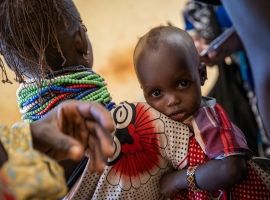
The drought is taking the heaviest toll on children. Concern has treated over 27,600 children for malnutrition so far this year, including over 1,100 facing life-threatening severe acute malnutrition who were treated in stabilisation centres.
“The number of severely ill children being treated at stabilisation centres has increased by 60% so far this year, compared to the same period last year. This worrying increase is not just linked to the worsening nutrition situation, but also to the closure of local health facilities and reduced access to community health workers, due to funding cuts, resulting in limited early detection and timely treatment.
“Communities and local organisations are not waiting helplessly, and they are the first responders in times of crisis. However, they cannot meet the scale of the needs and the brutal impact of natural and man-made shocks at both country and global levels,” Mr Nunn said.
The drought, flooding and continuing conflict within Somalia has also forced 3.3 million people to leave their homes. An additional 304,000 people are projected to be displaced between April and June.
Funding Cuts
The scale of the need is stark. The UN estimated 4.8 million people require humanitarian assistance, with 2.4 million targeted and 1.6 million prioritised for support, against a total funding requirement of approximately US$852 million. However, UN agencies operating in Somalia are due to run out of specialist therapeutic food supplies for malnourished children, and cash supports for families and food in September.
Meanwhile, the continuing conflict in Iran is driving up the price of food and water. The price of fuel has risen 70% since the conflict began. Somalia is heavily dependent on essential goods imports, limiting its ability to absorb disruptions.
Concern's Response
Concern is responding to support impacted households through cash payments, water and sanitation, and health and nutrition services where needs are most severe. So far this year over 227,000 children were screened for malnutrition, and those diagnosed as malnourished were treated.
Providing multi-purpose cash assistance is a key response, enabling households to meet essential needs amid rising prices. The Somali Cash Consortium (SCC), which is led by Concern, has reached over 223,000 people in the most affected areas, with funding from the European Union and the Swiss Agency for Development and Cooperation (SDC). They plan to reach a further 51,200 people in the next two months as the programme is expanded.
The SCC began in 2018 and over the last 12 months alone has distributed €7.9 million.
Cash is also provided to support children with severe acute malnutrition by covering indirect costs and reducing recovery barriers. A combination of cash, safe water access, and hygiene support is being provided. In Baidoa over 5,300 people are receiving regular cash transfers alongside water and sanitation services, funded by Irish Aid.
Over 16,100 in communities along the Somali border with Ethiopia and Kenya have been supported through the Irish Aid-funded Hanaano Programme. Water trucking and cash assistance is being provided to meet urgent needs.
Safe water was provided through a community-led system, while cash support enabled the most vulnerable households to cover essential needs. Driven by strong local partnerships and early warning systems, this is helping prevent further deterioration in food security and nutrition.
“Concern remains committed to delivering timely, coordinated, and dignified assistance where needs are most severe. However, the magnitude of this crisis continues to outpace available resources. Without significant and sustained investment to protect lives and support livelihoods, the risk of catastrophic outcomes—including famine‑like conditions in the most affected agro‑pastoral areas—will grow,” Mr Nunn said.
“A super El-Niño is due later this year, running the risk of flooding,” he said. “If this happens, we can expect an increase in water-borne disease, increased food insecurity and malnutrition, and further displacement.”
“It is vital that funders support countries with low levels of funding. We must keep attention on Somalia.”
For media queries and interview requests contact Eamon Timmins, Media Relations Manager, Concern Worldwide, at eamon.timmins@concern.net or 087 9880524
Other ways to help

Corporate support
Is your company interested in working together for a common cause?

Fundraise for Concern
From mountain trekking to marathon running, cake sales to table quizzes, there are lots of ways you can support our work.

Buy a gift
With an extensive range of alternative gifts, we have something to suit everybody.

Leave a gift in your will
Leave the world a better place with a life-changing legacy.

Volunteer with Concern
The lots of ways to get involved with our work as a volunteer

School fundraising
Without the generous support from schools, we wouldn't be able to do the work that we do.