


Read our 2025 annual report

Knowledge Hub
 Blog
BlogIn Malawi, Resilience is Not Built, but Grown
In the southern District of Nsanje, Malawi, communities are establishing banana plantations to serve as both sources of food and income, as well as enhancing the resilience of farmers and their families against the adverse effects of climate shocks, such as droughts and heavy rain.
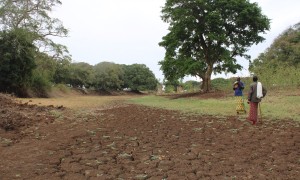
Flash floods and droughts have stripped Nsanje’s land of its nutrients, leaving families with fewer crops to harvest, growing struggles to put food on the table, and increased food insecurity. The district has experienced severe flooding in recent years, with five major flood events between 2008 and 2022. The floods in 2015 also destroyed crops and livestock, affecting an estimated 116,000 households and threatening food security. The district has also faced significant droughts which, combined with floods, create a cycle of vulnerability for its predominantly rural population that relies on rain-fed agriculture.
Bananas are Malawi’s fourth biggest staple crop. Banana suckers are the shoots of the matured banana plant. They are not deep rooted but have a multiplier effect benefit, enabling farmers to sell some of the suckers or plant them in his or her new banana field.

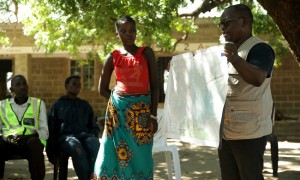
In 2024, Concern Worldwide in Malawi, with support from the Zurich Climate Resilience Alliance, procured and distributed 1,375 banana suckers to 125 farmers across 12 Nsanje communities with government agricultural staff conducting hands-on demonstrations on planting techniques and proper nurturing practices.
Through the planting of banana suckers, Concern is working to rebuild soil structures in Nsanje District, with a focus on the downstream areas, to protect against recurrent flooding. These banana suckers have dense root systems that help prevent soil erosion, especially on sloped terrain, and protect farmland from degradation during heavy rains.
Benefits through intercropping
The Kamphata Mwayiwathu group, consisting of 10 programme participants (five men and five women) decided that working together offered greater rewards than working alone. Members work together primarily to share experiences on nature-based adaptation and resilience and catchment conservation techniques which address climate shocks.
Each member was given 10 banana suckers to plant individually, but instead of working in isolation, they decided to create a shared nursery, where they pooled resources and shared expenses and labour, reducing overall costs and increasing productivity.
Together, they planted 100 banana suckers and later integrated sweet potatoes, following expert advice to maximise food production and protect the soil. The sweet potato vines shielded the young banana plants from soil erosion, while the leaves and tubers provide valuable nutrients throughout the growing season. The farmers also established a scheme where newly grown suckers would be passed on to other farmers to grow new banana plants, hence supporting other families. This is a cost-effective way to maintain a consistent supply of bananas and to expand benefits from the scheme to other community members. This inter-cropping approach not only protects the soil but also ensures a reliable and nutritious food source for their households.

After coming together, we identified this land to open a nursery using the banana suckers that we received. We will be sharing the shoots to plant on our individual lands and to sell to those interested. We have also planted sweet potatoes to cultivate and sell. Whilst protecting our land from soil erosion due to floods, we are also able to support our incomes.
We are going to benefit a lot from the type of farming that we are doing in this garden. I never knew that it was possible to plant sweet potatoes together with banana suckers. While we are waiting for the suckers to fully grow, we will first enjoy our first harvests of sweet potatoes which is another income-generating activity. Right now, we are already using sweet potato leaves as an additional vegetable for our households, providing extra nutrition to our meals. The proceeds from sweet potatoes sales will assist me to pay for the school fees of my children.
Value today, impact tomorrow
This collective approach allowed group members to multiply their resources, strengthen community bonds, and increase their income opportunities. Sweet potatoes provide quick returns, while banana plants offer long-term gains, as well as the added benefit to the soil health.
By combining their efforts, the Kamphata Mwayiwathu group is not just growing crops; they are cultivating a model of shared success and directly enhancing their resilience to climate shocks. As the banana trees grow tall and the sweet potatoes spread across the soil, the group’s story offers a powerful reminder: resilience is stronger when it’s built together.
To learn more about Concern’s climate resilience work in Malawi, take a look at our latest country brief.


 Flagship Programmes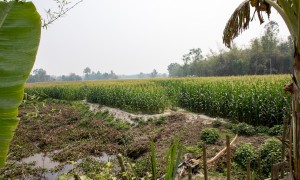
 Learning Paper