



Read our 2025 annual report

Knowledge Hub


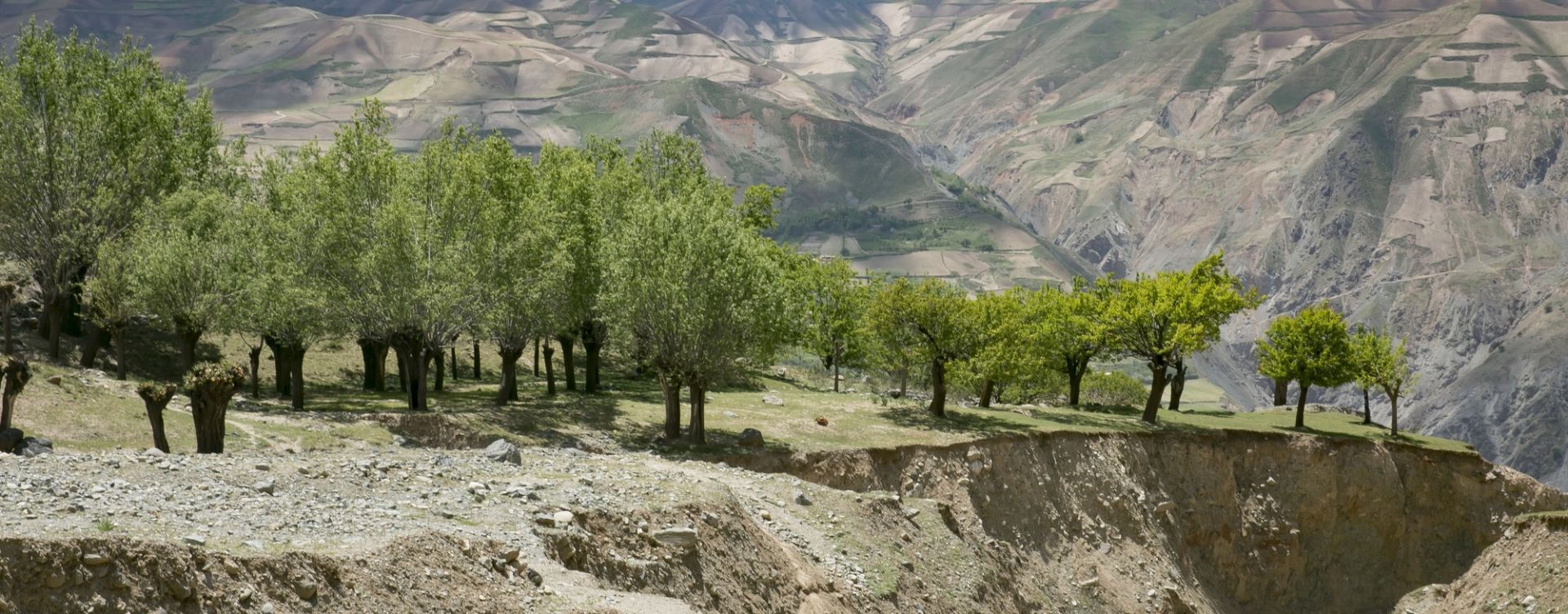
Why are we in Afghanistan? Concern has worked in Afghanistan since responding to a major earthquake in 1998. Today, Afghanistan remains one of the world’s most complex humanitarian emergencies. Recent political, social and economic shocks have resulted in a massive deterioration of the humanitarian situation.
A food crisis, born of instability
After decades of war, corruption, and natural disasters, Afghans are especially vulnerable to social and economic upheaval.
According to the United Nations, an estimated 21.9 million people — or 45% or Afghanistan's population — will require humanitarian assistance in 2026. Food insecurity is also a major concern, with 17.4 million people projected to face acute food insecurity in 2026.
Afghanistan is one of the most vulnerable countries in the world to climate change, which is causing widespread droughts, affecting harvests and incomes. Women and young children are especially vulnerable to malnutrition, which is increasing, with 25% more women and children expected to need treatment for malnutrition in 2026 than in 2025. Malnutrition, combined with limited access to healthcare in remote areas, leads to one woman dying every two hours, and one of the highest infant death rates in the world.
Latest achievements

Health and Nutrition
In 2025, through the establishment and operationalisation of Family Health House clinics in some of the most remote locations, Concern expanded access to maternal, newborn and child health services.

Emergency response

Inclusive livelihoods


How we're helping Afghanistan
We respond rapidly to emergencies, but we also build resilience so that communities are better prepared to withstand the shocks caused by climate change and on-going conflict. A commitment to social inclusion and gender equality is central to our work.
Latest from Afghanistan





Recent publications relating to Afghanistan


Other ways to help

Corporate support
Is your company interested in working together for a common cause?

Fundraise for Concern
From mountain trekking to marathon running, cake sales to table quizzes, there are lots of ways you can support our work.

Buy a gift
With an extensive range of alternative gifts, we have something to suit everybody.

Leave a gift in your will
Leave the world a better place with a life-changing legacy.

Volunteer with Concern
The lots of ways to get involved with our work as a volunteer

School fundraising
Without the generous support from schools, we wouldn't be able to do the work that we do.