



Read our 2025 annual report

Knowledge Hub


Conflict is one of the defining crises of our time, and it’s on the rise. Here are the stories behind 14 countries facing conflict in 2026.
In recent years, the number of armed conflicts continues to climb. There were roughly 130 conflicts recorded in 2024 – more than double the number compared to just 15 years earlier. Over 20 of these conflicts have lasted for more than two decades.
Violence, instability, displacement, and the humanitarian crises that follow in their wake are facts of life for millions of the people that Concern works with each year. Civilians face increased needs as they struggle to find or keep work, run through whatever savings they have, face inflated prices and shortages of key resources, and struggle with a lack of infrastructure. As fighting becomes more protracted, damaging, and complex, people are pushed further to the brink.
Conflict is one of the defining crises of our time, especially in these 14 countries and territories where Concern works. Read on to learn more.
1. Afghanistan
- Cyclical conflict and instability beginning in 1978
- Number of people in need of humanitarian aid in 2026: 21.9 million
Afghanistan has experienced prolonged periods of instability and conflict over the last five decades, which have disrupted everyday life, damaged infrastructure, and weakened essential services including healthcare, education, and economic opportunity. While large-scale hostilities ended in 2021, some areas have continued to face sporadic insecurity. Additionally, reports of increased cross-border violence began in late 2025 and have continued into 2026.
Security transitions in recent years have led to rapid changes across the country, including significant population movements that have increased humanitarian needs, particularly in rural and hard-to-reach areas. According to the UN, cuts to humanitarian and development assistance have worsened these pressures, leaving 21.9 million people (nearly half of the country’s population) in need of aid in 2026.

2. Chad
- Regional conflict around Lake Chad Basin beginning in 2009
- Regional conflict in the Sahel beginning in 2011-12
- Intercommunal conflict escalating since 2019
- Number of people in need of humanitarian aid in 2026: 4.5 million
For the last 15 years, Chad has been affected by the regional conflict that has spread throughout the Sahel (more on that below). However, the country has also seen a larger amount of conflict around the Lake Chad Basin (which also includes parts of Cameroon, Nigeria, and Niger) since 2009, and an escalation of intercommunal conflict in the eastern provinces since 2019. Resources in these areas are often under threat, leading to tensions (especially between pastoralists and farmers).
Chad is also feeling the effects of the conflict in neighbouring Sudan. In 2026, 4.5 million people in Chad will require humanitarian assistance, with needs driven largely by conflict and displacement.

3. Democratic Republic of the Congo
- First Congo War: 1996-97
- Second Congo War: 1998-2003
- Regional conflict beginning in 2003
- Number of people in need of humanitarian aid in 2026: 14.9 million
Since 1996, the Democratic Republic of the Congo’s eastern regions alone have seen approximately 6 million casualties. On its own, the Second Congo War was one of the worst civil wars in African History, and the deadliest conflict since World War II. Fighting in the eastern DRC has increased significantly in recent years, with hostilities in 2025 affecting North and South Kivu and Ituri provinces, leading to massive new displacement and protection risks for millions.
» Learn more about the crisis in the Democratic Republic of the Congo
Since May of 2026, a growing Ebola epidemic in DRC has also been spreading, originating in Ituri. Conflict is also helping to spread this disease, while preventing organisations from responding in key areas.

4. Ethiopia
- Regional conflicts: 2018 – Present
- Number of people in need of humanitarian aid: 28.6 million (as of 2024)
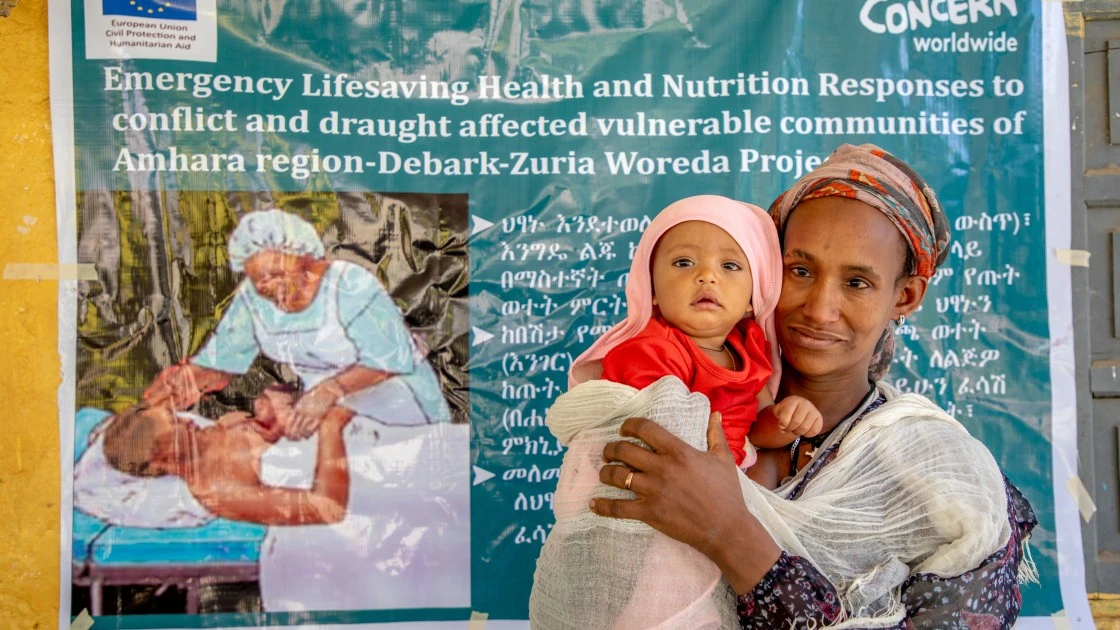
Between 1974 and 1991, Ethiopia was the site of a brutal civil war. While it officially ended in 1991, other disputes have continued to a degree in certain regions both internally and at times internationally. (You can learn more in our Ethiopia timeline.)
More recently, violence escalated in the region of Oromia in 2018, Tigray in 2020, and Amhara in 2023. The UN’s last official figures from early 2024 showed that 28.6 million people across the country were in need of humanitarian assistance.
5. Gaza
- Escalation of conflict beginning in 2023
- Number of people in need of humanitarian aid in 2026: 3.6 million (across Gaza and the West Bank)
According to the United Nations, roughly 90% of Gaza’s population (close to 2 million people) have been forced to flee their homes since October 2023. Livelihoods and food systems have been decimated, and health and hygiene services have both been brought to the brink of collapse. In total, 3.6 million people require humanitarian assistance across the Occupied Palestinian Territories in 2026.

6. Haiti
- Violence in Port-au-Prince beginning in 2020
- Number of people in need of humanitarian aid in 2026: 6.4 million
For the last six years, Haiti’s capital of Port-au-Prince has been the site of armed violence that has left half of the country’s population in need of humanitarian assistance in 2026. The situation deteriorated significantly in 2021 with the assassination of President Jovenel Moïse. Violence continued amid political instability, with armed groups controlling more than 80% of Port-au-Prince in 2023. In 2024, the UN’s Security Council authorised a multinational security force (led by Kenya) to assist authorities in 2024, however the situation continues to leave millions of Haitians without protection.

7 & 8. The Sahel (including Burkina Faso & Niger)
- Regional conflict beginning in 2011-12
- Number of Burkinabè in need of humanitarian aid in 2026: 4.5 million
- Number of Nigeriens in need of humanitarian aid in 2026: 3.1 million
More than a decade of armed conflict in the western Sahel region of Africa has resulted in a deteriorating humanitarian situation for several countries spanning from Senegal to Eritrea. The UN estimates that 24.3 million people across the Sahel will require humanitarian aid in 2025, including 4.5 million in Burkina Faso and 3.1 million in Niger.

9. Somalia
- National conflict and regional violence beginning in 1991
- Number of people in need of humanitarian aid in 2026: 4.8 million
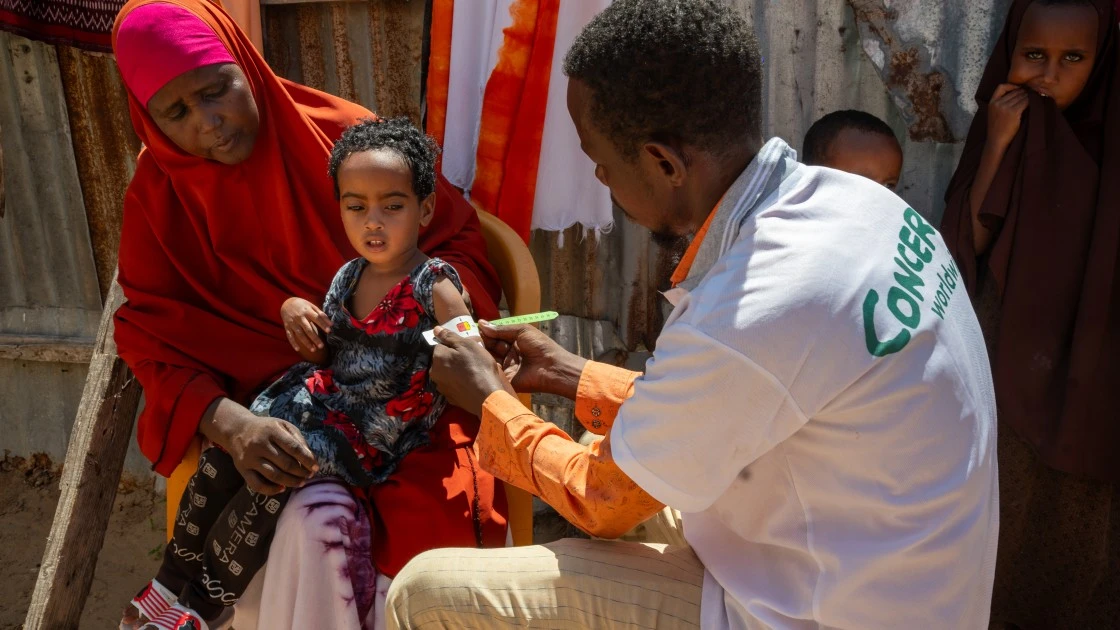
The beginning of the ongoing Somali Civil War is a subject of debate. Several organisations (including the UN) place it in 1991. Other experts argue that it started as many as 10 years earlier. This alone gives us an idea of how long Somalia has faced cyclical violence and insecurity – regardless of the label. An increase in hostilities in 2022 led to a 41% increase in attacks on civilians.
Conflict is one aspect of the country’s multifaceted and protracted humanitarian crisis, and one that touches on many other areas. Fighting often cuts off access for humanitarian organisations and NGOs to deliver services in different parts of the country. This in turn places even more pressure on the limited resources in those areas, increasing tensions and the potential for further conflict.
10. South Sudan
- Civil War: 2013-2018
- Renewed conflict beginning in 2025
- Number of people in need of humanitarian aid in 2026: 9.9 million
At the time of its independence in 2011, South Sudan had reasons to be hopeful about the future. Secession had been relatively peaceful, and the country is rich in national resources. However, in 2026 South Sudan is expected to reach universal poverty. This comes after more than a decade of conflict that began in December 2013. Despite several peace deals, violence continues to affect civilians. Hostilities escalated in 2025, leaving 9.9 million people (nearly 84% of the population) in need of humanitarian assistance in 2026.

11. Sudan
- First Sudanese Civil War: 1955-1972
- Second Sudanese Civil War: 1983-2005
- Conflict in Darfur: 2003-2020
- Current conflict beginning in 2023
- Number of people in need of humanitarian aid in 2026: 33.7 million
On April 15, 2023, violent clashes between rival factions in Sudan’s capital of Khartoum sparked a nationwide conflict that has quickly become one of the world’s largest humanitarian crises. This came after a series of protracted civil wars and regional conflict in Darfur, which had left millions of people uprooted and still recovering.
Three years later, Sudan is considered to be the worst humanitarian and health crisis in the world, and in recent history. Last year, over 33 million people in the country required humanitarian aid – the highest number on record for a single country in modern humanitarian response. That number continues to hold in 2026, with more than half of the country’s population requiring some form of humanitarian assistance in a situation that shows no signs of improving.

12. Syria
- Syrian Civil War: 2011-2024
- Ongoing regional insecurity and violence beginning in 2024
- Number of people in need of humanitarian aid in 2026: 15.6 million
Beginning in early 2011, the civil war in Syria led to more than a decade of suffering for millions of people. Once a country with a thriving middle class, 90% of Syrians now live below the poverty line. The major political shifts at the end of 2024 effectively ended the conflict and have allowed many displaced Syrians to return home, however sporadic violence has also caused fresh displacement in 2025 and 2026, and 15.6 million people are still in need of humanitarian assistance. Syria remains one of the world’s largest refugee crises and internal displacement crises.

13. Ukraine
- Full-scale conflict beginning in 2022
- Number of people in need of humanitarian aid in 2026: 10.8 million
In early 2022, an eight-year crisis in eastern Ukraine became a major conflict in just a few weeks. Within the first 24 hours of fighting, the UN reported 240 civilian casualties, including 34 deaths.
Since then, the violence has not abated, and intense fighting has affected the entire country, with much of the greatest damage occurring within 100 km of the frontlines in the country’s eastern regions. The country is also facing the world’s largest refugee crisis in 2026 and one of the largest humanitarian crises, with 10.8 million people in need of assistance.

14. Yemen
- Civil War beginning in 2014
- Number of people in need of humanitarian aid in 2026: 22.3 million
In 2014, Yemen became the site of a civil war with proxy inventions that has since led to one of the largest humanitarian crises in the Middle East, further exacerbated by regional instability. Beyond the occasional headline, however, Yemen remains largely ignored in international media – especially when it comes to the net effects the last 12 years of fighting have had on civilians. Over 22 million people will require humanitarian assistance in 2026.

Countries in conflict: Concern’s response
Mass evacuations, limited access to food and water, collapsed health systems, and the daily threat of violence – the effects of conflict extend far beyond the fighting. Concern works primarily in fragile and conflict-affected areas to meet humanitarian needs and alleviate suffering.
We work in each of the 14 countries named above, with Emergency Response programmes that are tailored to the specific needs of communities in each context. Some examples of this work include:
Gaza
In Gaza, we’re helping to provide clean water to over 100,000 people on a near-daily basis (we also funded the acquisition of a reverse osmosis water filtration machine to support the last operational children's hospital in Gaza City).
Sudan
In Sudan, we’ve established Mother to Mother support groups for women affected by the conflict. Their newfound collective agency led them to advocate for themselves on wider issues, successfully lobbying local authorities to facilitate access to additional humanitarian actors and services.
Ukraine
Our work in Ukraine focuses on the most rural and remote areas of the eastern frontline regions, which are often underserviced by NGOs. Our commitment to these communities has not only helped them address the physical and psychological needs caused by war, but also brought more attention to their circumstances: Our presence (along with our partners) in one community led to increased attention from other humanitarian organisations, new projects, additional funding, and broader support.
Last year, Concern responded to 45 emergencies in 22 countries and territories, reaching 15.6 million people. Your support allows us to do this vital work.


